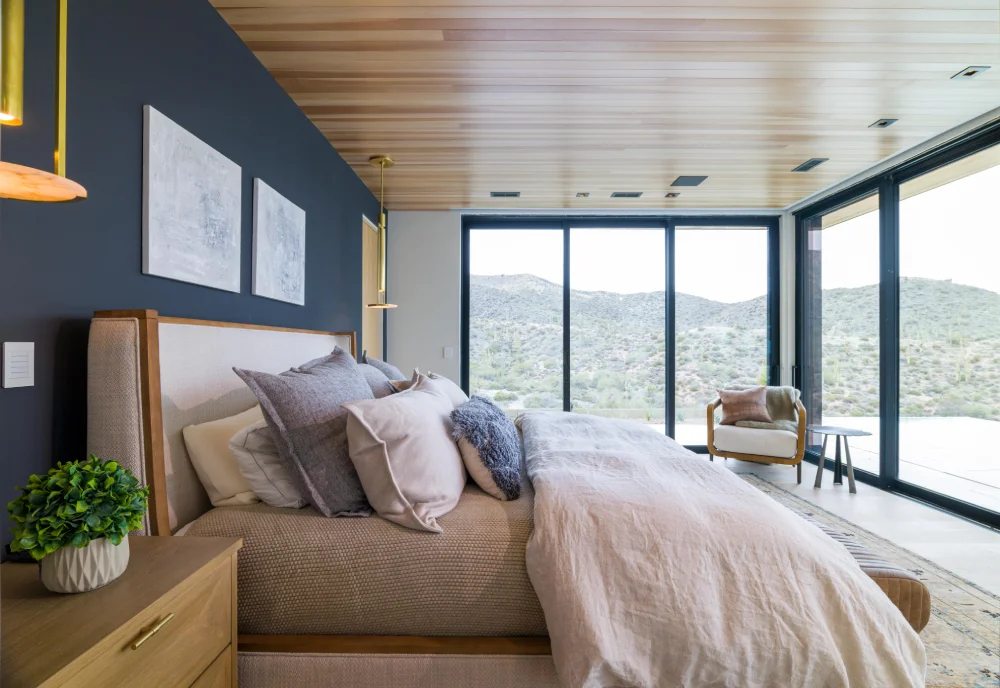
The Soulful Home: the Maximalist Touchpoints and Artisanal Details that Will Define Home Design in 2026
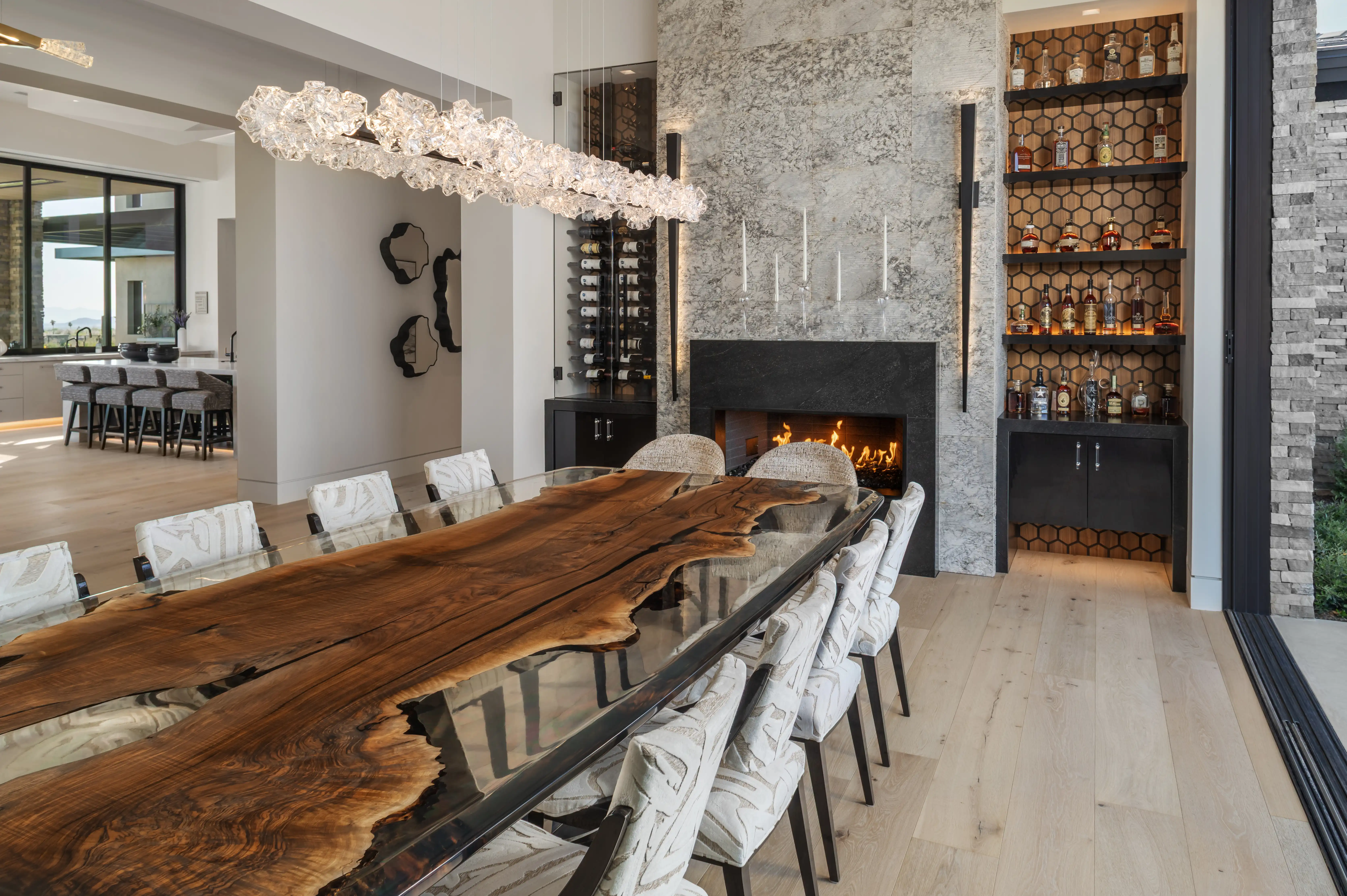
The Story 2026 Design Trend Report
For the past decade, the interior design world has been dominated by "quiet luxury" and monochromatic minimalism. As we moved through 2025, the pendulum made a dramatic swing back toward opulence and maximalism with trends that packed a lot of ‘extra’ flare: think ‘dopamine décor, the ‘messy girl’ aesthetic and “grandma things.”
This year the pendulum is settling into a happy balance between personality-imbued maximalist styling and the innate sensuality of minimalism, ushering in an era of expressive interiors, where homes are no longer just "styled"—they are curated with intentionality and personality into spaces that elevate the everyday and embrace the daily rhythms of life.
As Benni Allan, founder of London architecture studio Ebba says, the mood of interior design this year will be "quietly expressive – spaces that feel calm, tactile and deeply personal".
These are a few of the most important trends our design team will be watching in the coming months. All of these indicate a move away from "cookie-cutter" minimalism toward a more soulful, curated home, one that is rich in character and more human-focused.
1. Elevating the Everyday
We love this trend, because our team mission is to “elevate your everyday” in everything we do, and our work in 2026 will have renewed focus on helping our clients identify how their home and living spaces help elevate their day-to-day life.
In 2026, interior design is less focused on impressing guests and creating opulent interiors. It is more concerned with the quiet moments and daily life activities that happen in a home and how to elevate the mundane by creating purposeful, luxurious spaces that emphasize creature comforts and personal touches. This is a softer, warmer approach that focuses on fewer, higher-end design decisions that add comfort and texture, create calm, and unclutter even the most utilitarian spaces, turning them into functional yet inviting rooms where people want to linger.
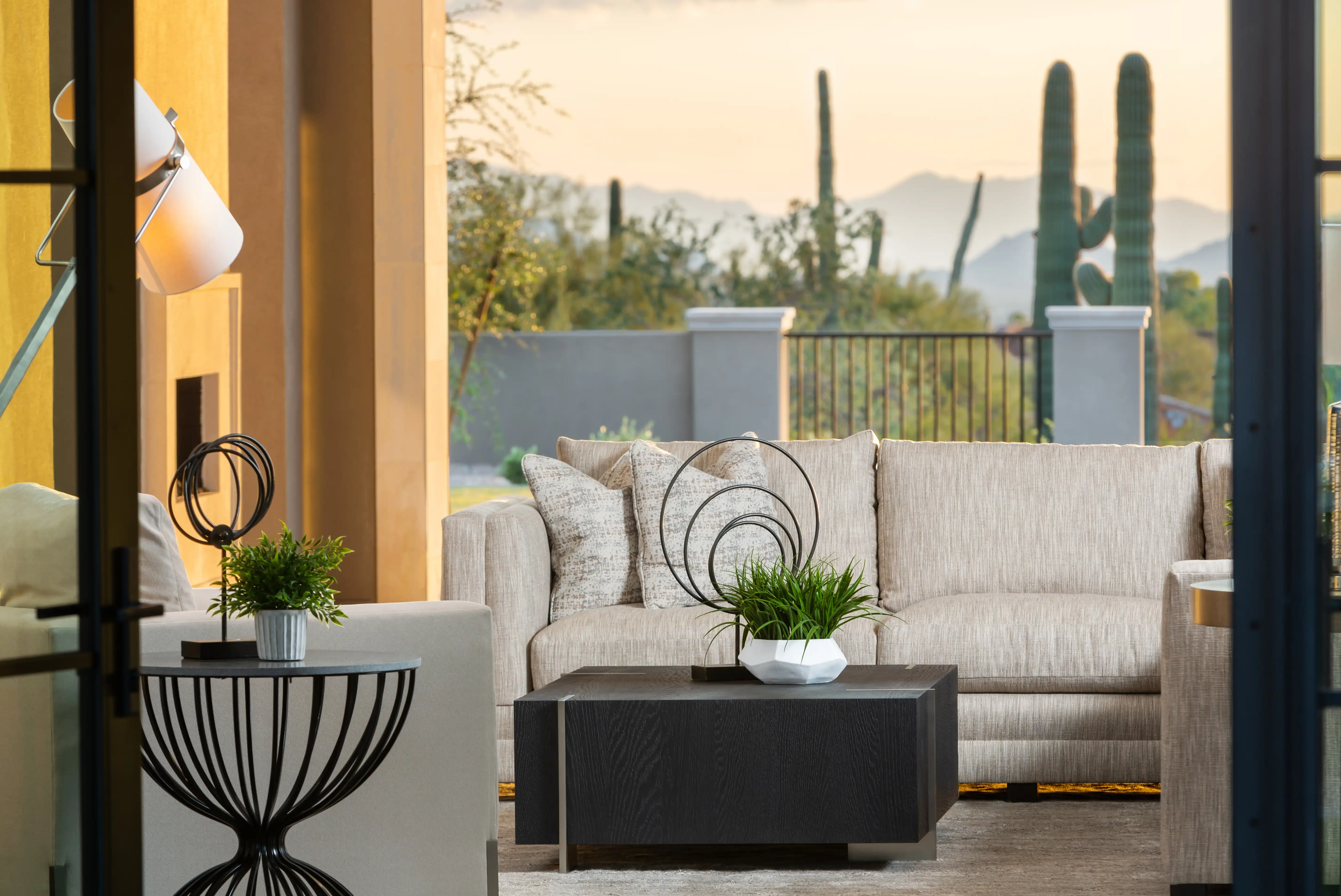
"Memorable interiors are not necessarily those with the strongest statements, but often the ones where people naturally want to stay longer," architect Keiji Ashizawa.
Trend in Practice: Think of a laundry room with marble countertops, a hidden coffee station behind pocket doors, or a mudroom with custom white-oak cabinetry. Elevated materials and meaningful objects help create spaces that feel as luxurious as the look.
How-To: Identify a "utility" area in your home and upgrade the sensory details. Swap plastic hardware for solid unlacquered brass, layer lighting in your kitchen by adding a dimmable warm light above your kitchen prep station.
2. Bolder Colors & "Drenching"
Pantone’s 2026 color of the year, Cloud Dancer is, at first glance, the polar opposite of where design seems headed, and even though it is a “warm” off-white, it struck a decidedly controversial chord when it was announced in December. It does, oh so subtly, indicate a movement in 2026 toward warmer, more saturated neutrals that can act as a foundation for the trending “Brave Colors,” like deep terracotta, midnight teal and muddy olives and greens. We expect to see color and material used more frequently in “drenching” spaces which treats the ceiling as the “fifth wall.”
If you aren’t yet ready to color drench a room in a brave color, consider incorporating these more dramatic colorways in your furnishings and décor.
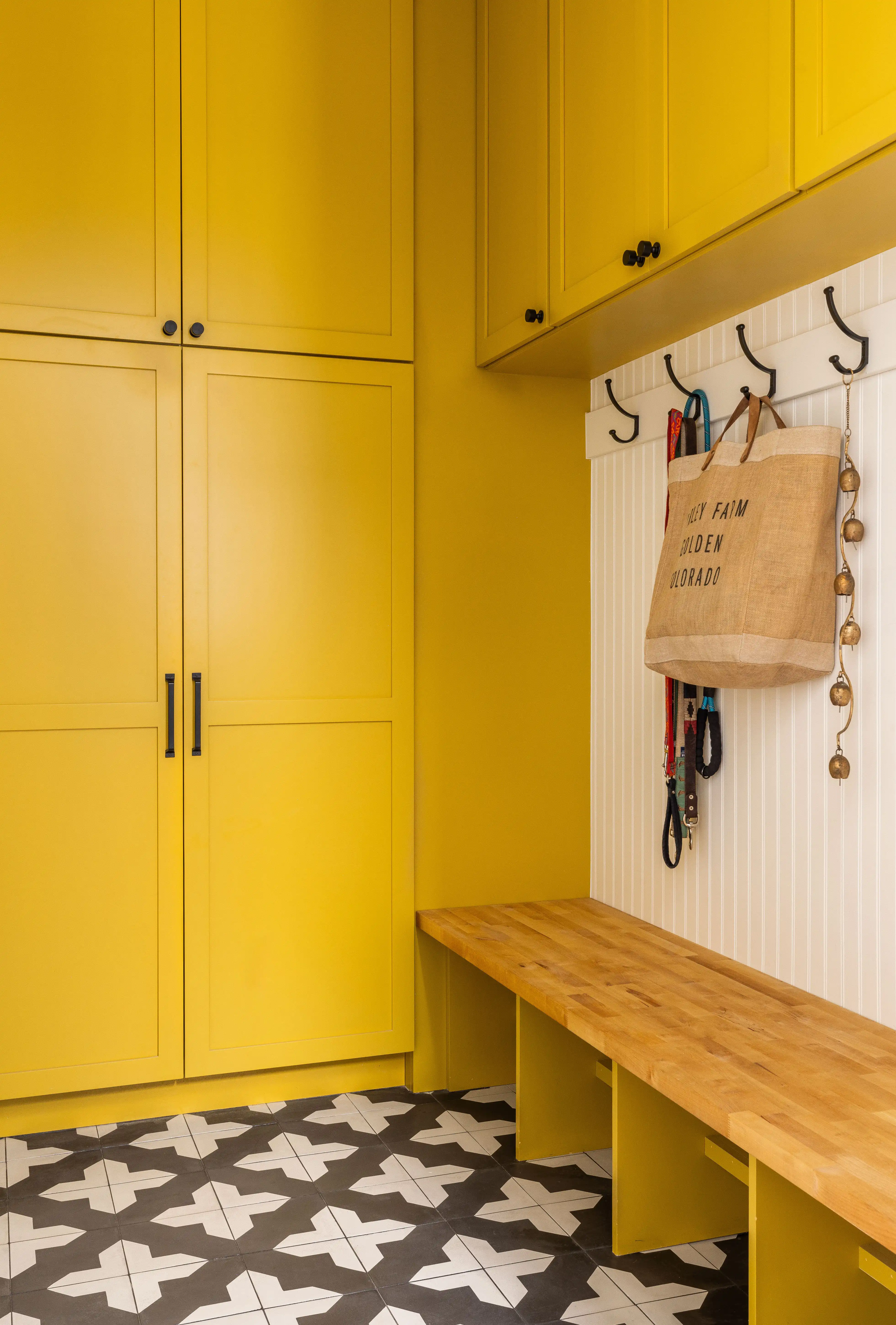
Trend in Practice: Color and Pattern Drenching. This involves painting the walls, trim, doors, and even the ceiling in the exact same hue to create a seamless, immersive cocoon. Color drenching reduces visual noise and can make spaces appear larger while maintaining a sense of human scale.
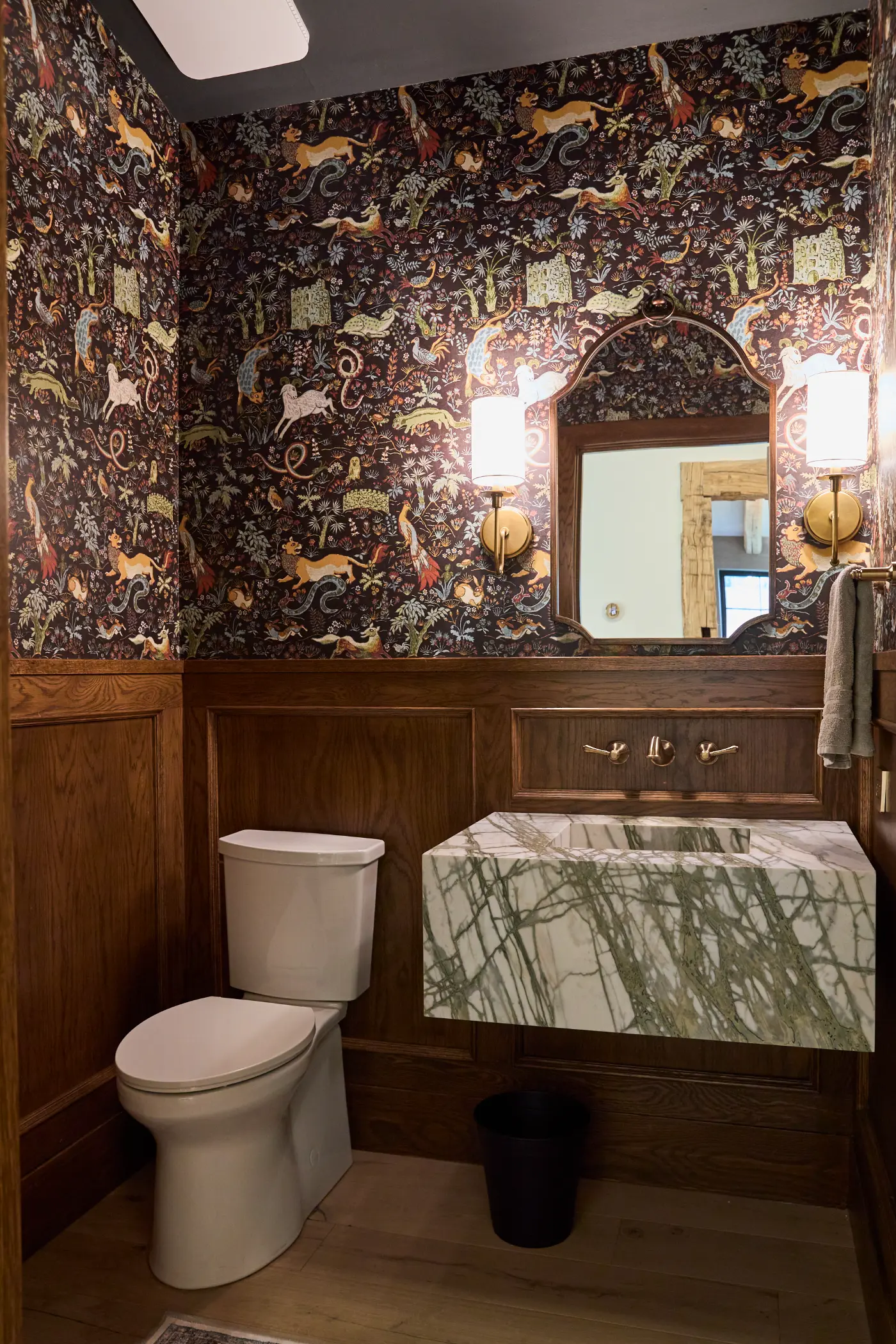
How-To: Start small. Choose a powder room or a home office for your first "drench." If you’re feeling bold, use a botanical wallpaper on the walls and pull the darkest color from the pattern to paint the ceiling and baseboards.
3. The Return of the “Defined Space”
The era of the "cavernous open floor plan" has been waning in the past year or so, and we expect this trend to accelerate in 2026 with more evidence of a new paradigm in interior design and architecture in both new build home projects and renovations. Homeowners are rediscovering the charm and acoustic privacy that defined spaces provide, which isn’t to say that designers will be compartmentalizing every single space or sacrificing connection, especially where transition from one space to the next reflects is useful and harmonious. We think of this as less of a return to the past than an evolution toward design principles that consider the human use of space and how to best create the space to suit that, rather than forcing ‘living’ into a specific design trend.
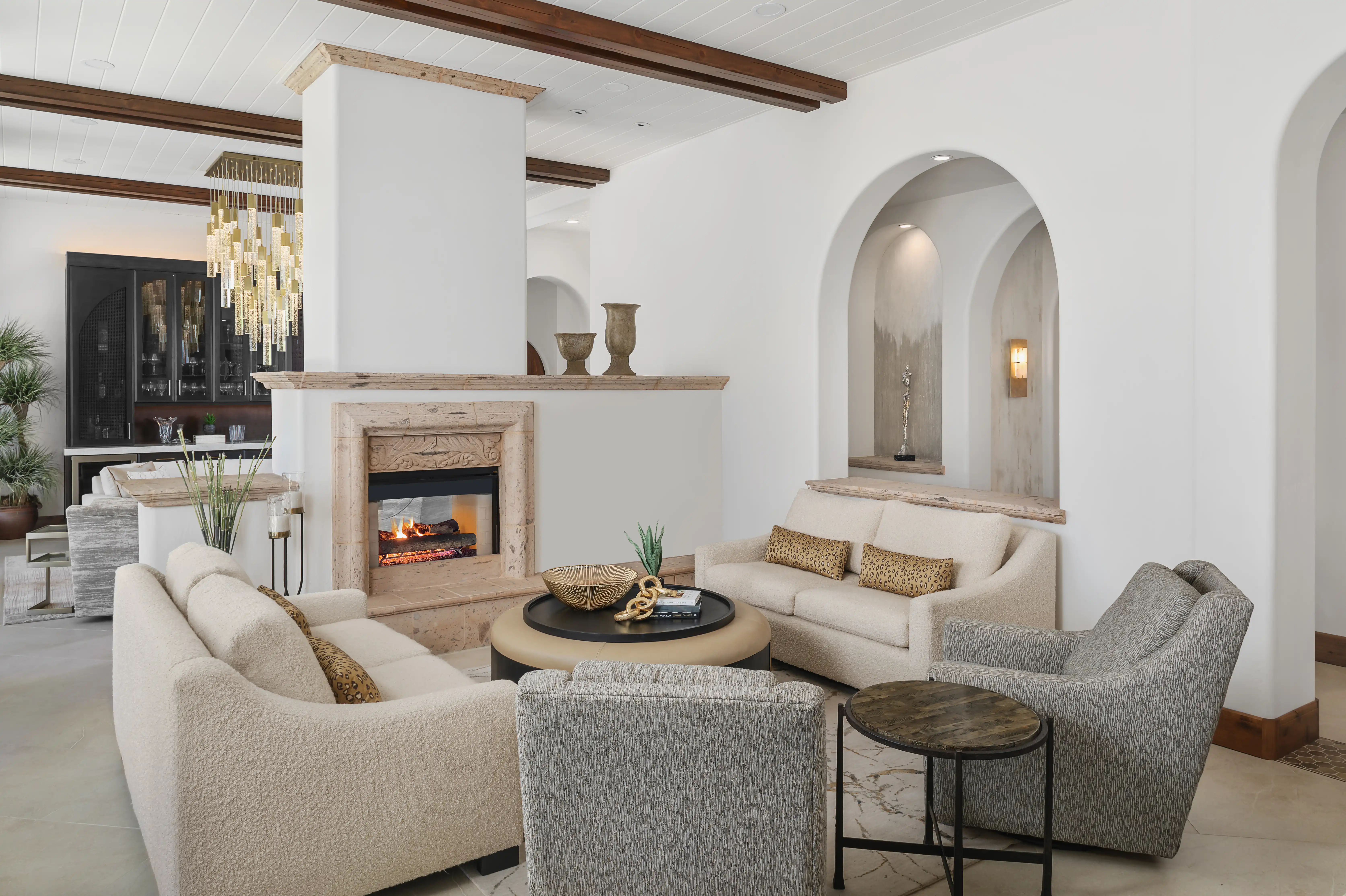
The Trend in Practice: Formal dining rooms, cozy "snugs" or nooks. Libraries, dens and studies are back. These rooms allow the design to help set the stage for different moods, and different activities, throughout the house.
How-to: You don't need to build walls to define a space. Use internal glass partitions, double-sided bookshelves, peninsula fireplaces, large pocket doors or even furniture to create "zones" that allow the entire space to adapt to different moments—providing defined, intimate spaces that can be “connected” for gathering and entertaining.
4. Layering: Texture and Light
A room that feels "flat" is usually a room that lacks layers. The 2026 movement toward comfortable and elevated living invites layering of the tactile, via textiles and finish materials, and the visual via color, textures and lighting design. Look for dark woods, aged metals, textured stones and lime renders to be among the finishes you’ll see used in projects completed over the next year.
Textures: Mixing elevated natural materials like beautiful dark wood or rough-hewn stone with velvet upholstery, or matte limewashed walls with silk drapery for a luxurious contrast that heightens the impact of the room as a whole.
Lighting: Rather than choosing lighting based on the entire room, consider the individual activities and tasks that take place in the space and the mood you want to create.
In general, follow the "Rule of Three" for lighting. Every room should have:
1. Ambient (overhead/recessed)
2. Task (reading lamps/under-cabinet)
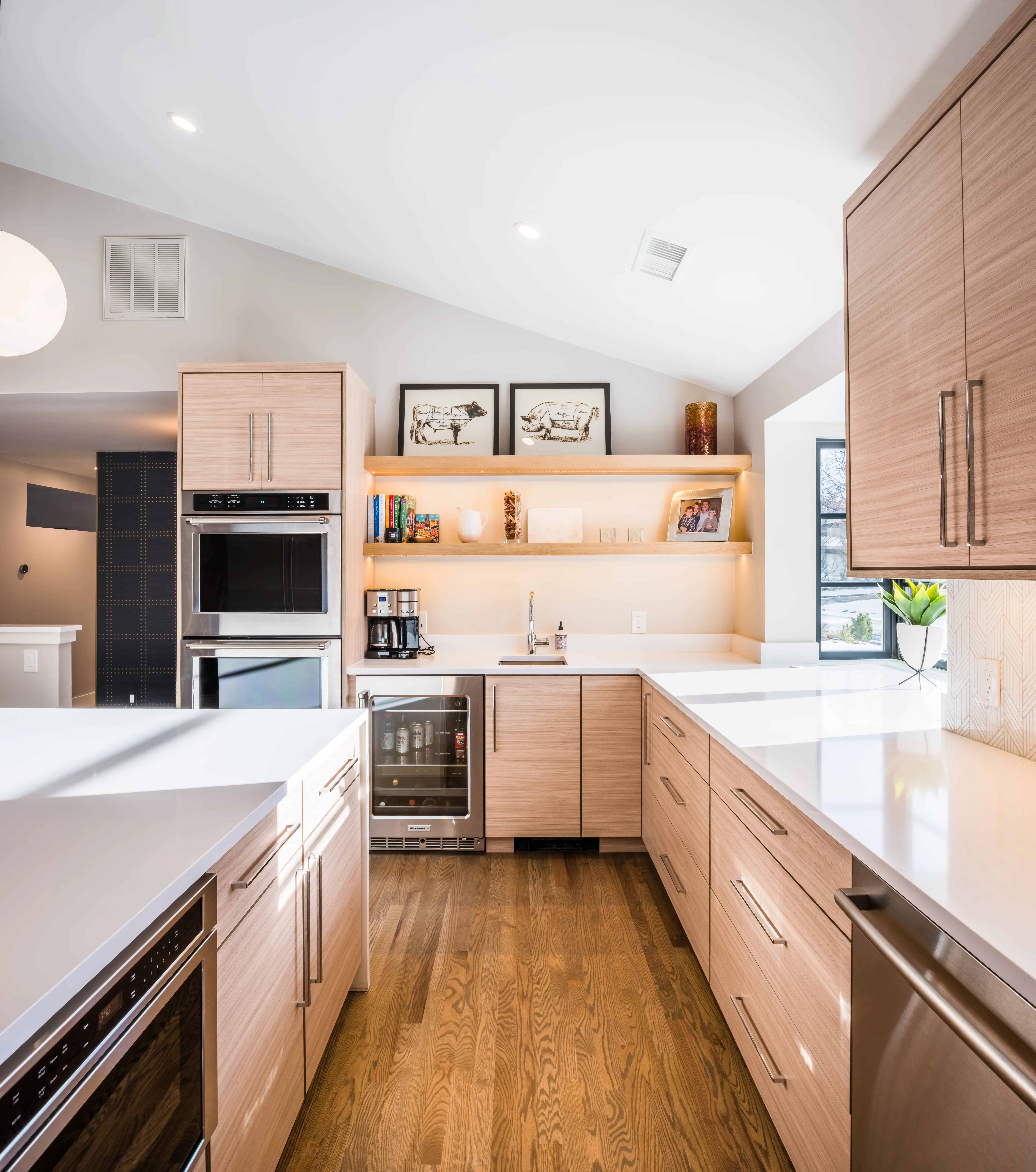
3. Accent (sconces or art lights) Always use bulbs with a "warm" color temperature (2700K) to make textures pop. A great example of this is using an “art light” in the kitchen to warm and elevate the space
5. Natural Materials & Earthy Treatments
Stone and wood are becoming more of a focus and less of an accent in architecture, interior design and furnishing. These “honest materials” bring a sense of depth and authenticity to a space. How will we see this come to life in design? Instead of using a natural material as an accent wall it will be designed it into a full-room treatment which can include using a ‘drenching’ technique in materials much the same as with color. These are materials that are inherently beautiful and tactile, ones that age well and tend not to go out of fashion with each passing season.

The Trend in Practice: Travertine coffee tables, fluted wood wall panels, and natural wall treatments like Roman Clay or Plaster to add a soft, suede-like movement to the walls.
How-to: Incorporate "living finishes." Choose unsealed stone, oil-rubbed woods and unlacquered metals that will develop a patina over time. This makes the home feel like it’s aging gracefully rather than becoming dated or just wearing out.
6. Curated Maximalism: Walking the Fine Line Between Character and Clutter
Maximalism in 2026 isn't about decoration or clutter, it is about curating meaningful, high-quality elements, whether furniture or objects, that express who you are and how you live. This is the art of displaying a lot of things in a way that feels intentional, visually peaceful and organized. Consider each space in your home as a place that tells a story about who you are and how you live your life.
The Trend in Practice: Gallery walls that reach the ceiling, open shelving filled with travel mementos that invite storytelling, and a mix of bold patterns or shapes that share a common color palette.
How-to: Edit your collections. Group like-objects together (e.g., all blue-and-white porcelain) to create a "visual anchor." Strive to create as much harmony as interest in the elements and objects in a space. If everything is a "statement piece," the eye has nowhere to rest.
7. The New Antique: The Layering of Eras and Aesthetics
The most sophisticated homes in 2026 look like they were decorated over forty years, not forty days. This isn’t to say that you want to feel like you are stepping into your grandmother’s home or a time capsule. A delicate balance of antiques, furnishings with history and interest alongside modern art, objects and silhouettes is the key to a timeless space.
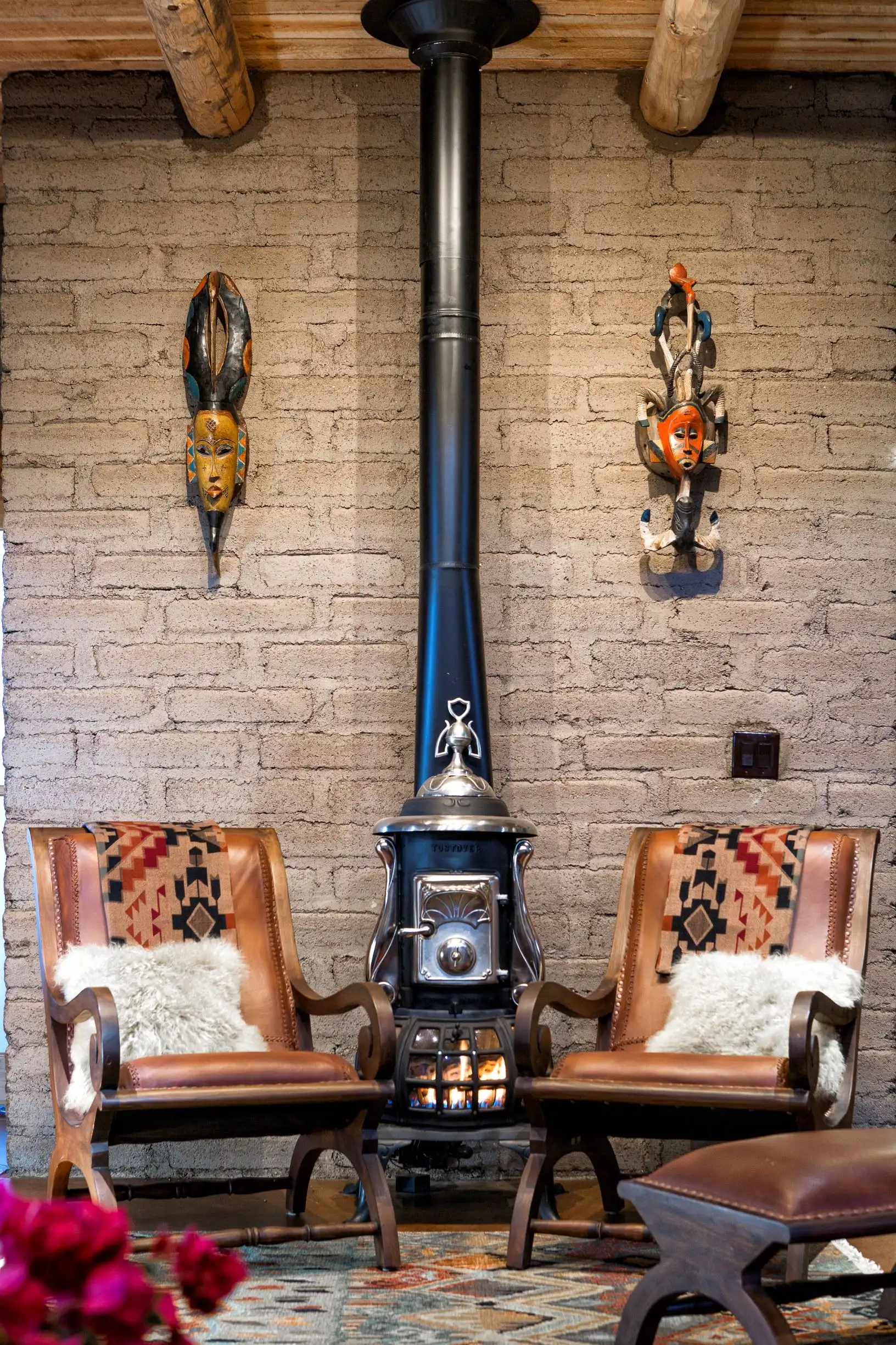
The Trend in Practice: An 18th-century French commode sitting beneath a piece of vibrant, modern abstract art.
How-to: Use the 80/20 Rule. Let 80% of your room be your primary style (e.g., Modern) and 20% be the "contrast" (e.g., Antique). A vintage rug in a hyper-modern kitchen instantly adds "soul" and history to the space.
Above all else, the design trends that will define 2026 are an invitation to infuse your home with character and warmth. Whether you are drenching a room in wood paneling or hunting for the perfect vintage pedestal table for your entry, the goal is to create spaces that feel personal, calming and built to last rather than rooms that are superficially decorated. Rich materials, saturated colors, heritage-inspired details, and elevated creature comforts provide wonderful inspiration as we head into 2026.
Looking to imagine how you might transform your spaces in 2026? Try out our new AI Design Studio to help visualize your design inspirations, or check out our 2026 Design Trends Pinterest board to see what styles our team is forseeing this year.
Citations:
https://www.dezeen.com/2026/01/06/interior-design-trends-2026/
https://www.housebeautiful.com/design-inspiration/a69598298/top-interior-design-trends-2025/
https://styleblueprint.com/everyday/interior-design-trends-2026/