The Great Holiday Decor Debate: Minimalism vs. Maximalism
.jpg)
We’ve just completed our annual round of holiday home decorating, transforming select client homes for the festive season. And this year, more than ever, the way we "deck the halls" is split into two distinctly opposing interior design camps. On one side, restrained, tranquil, minimalist elegance, a style that whispers of calm and intentionality. And on the other side of the spectrum a maximalist embrace of all that is merry and bright, an approach that leans into layered color and a cacophony of ornamentation that shouts joy and embraces the personality of every single object or ornament collected since childhood.
What do you find yourself craving this holiday season? A holiday sanctuary defined by warm neutrals, refined textures, and serene simplicity? Or do you lean toward a jubilant explosion of color, pattern, and rich layering that tells a lifetime of festive stories?
We wanted to share some of our observations of this seasons’ trends, and those holiday decorating traditions that are truly ‘evergreen.’ Here are some of the distinct palettes, focal points, and emotional impacts you can create with a restrained or an abundant approach. Whether you're seeking Silent Night sophistication or a full-on Statement Night celebration, understanding the rules of each style is the key to creating a holiday home that is authentically and beautifully yours.
The Minimalist Approach: Curated Calm
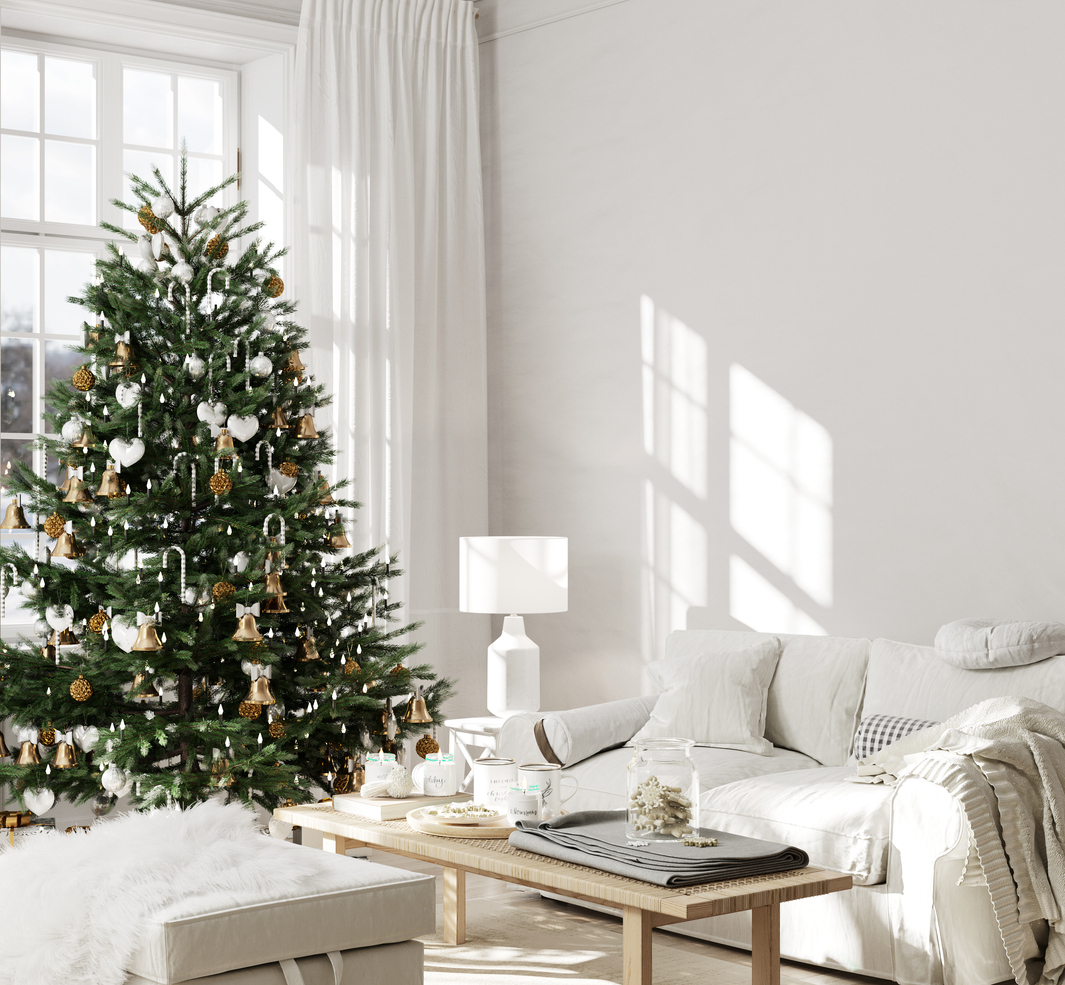
For those seeking a tranquil retreat from the holiday frenzy, minimalist decor offers sanctuary. This style is defined by intentionality, quality, and restraint, prioritizing texture and negative space over volume and clutter. It’s less about what you add, and more about what you choose to keep. One common misconception is that you need to have a contemporary space to pull off a minimalist approach, but minimalism is more about curation and cohesion of the color, object and textures you use than the style of your home.
Color Palette and Focal Points: Minimalist holiday palettes are often monochromatic or tonal, leaning heavily on natural tones: whites, warm creams, deep charcoal, and natural wood. When color is introduced, it’s usually via organic elements like deep evergreen or soft cranberry—but rarely both. Ornaments are uniform and few, often made of natural materials like ceramic, paper, or carved wood. The tree itself might be sparsely decorated, perhaps only with warm white lights and a single metallic finish (think matte gold or brushed brass) to catch the glow.
Lighting and Atmosphere: Lighting is subtle and ambient. It’s designed to create a soft, warm glow without drawing attention to the source. Think multiple strands of warm white LED lights gently woven through a mantle, and numerous pillar candles that emphasize subtle, simple luxury. The resulting atmosphere is peaceful, refined, and deeply sophisticated. For the minimalist, holiday decor is not a performance; it’s setting the mood.
.jpg)
The Maximalist Approach: Joyful Layering
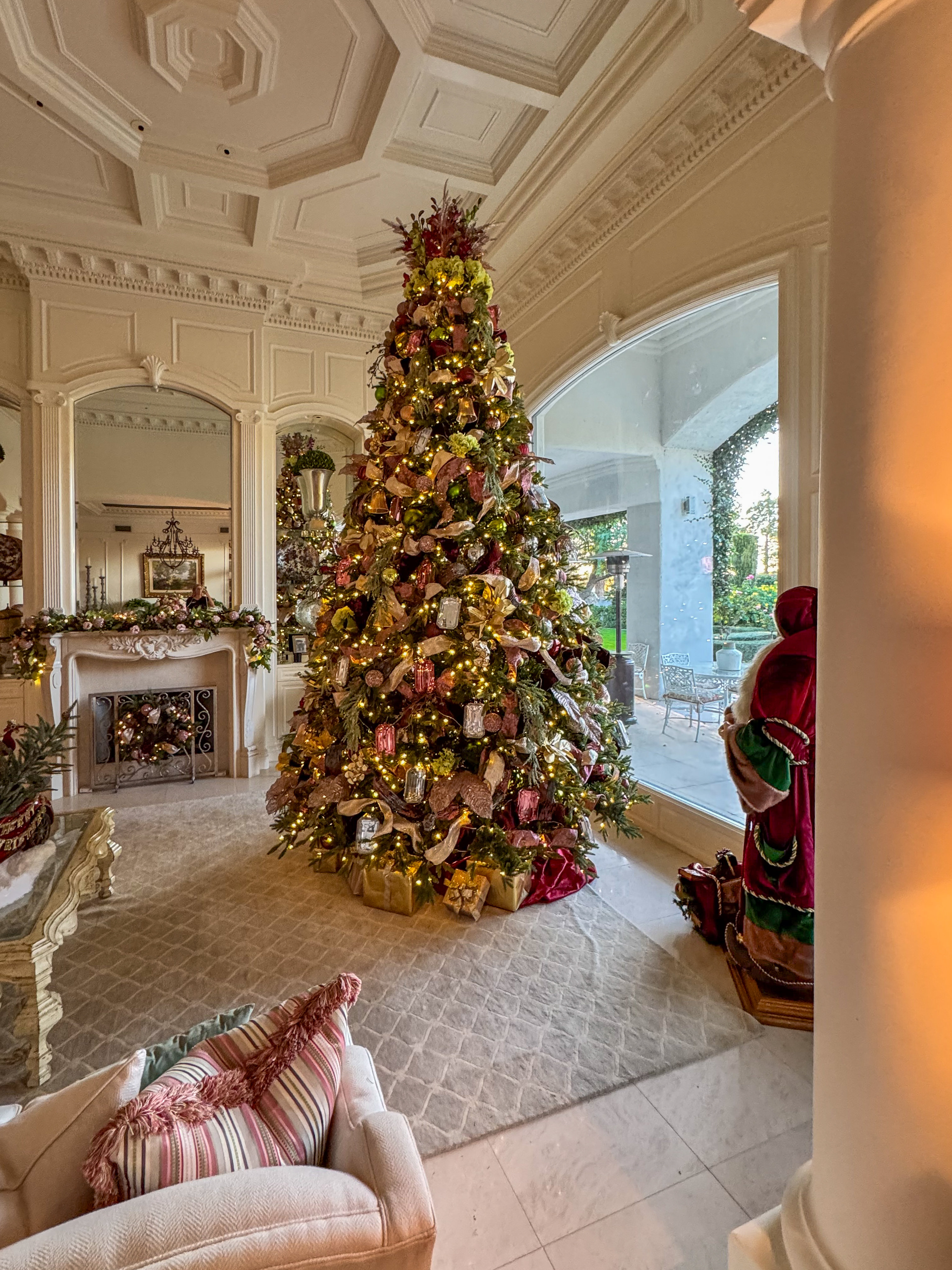
If minimalism whispers, maximalism shouts a cheerful, unapologetic greeting. This style embraces abundance, personality, and storytelling, using the holiday season as an excuse to layer rich textures, vibrant colors, and personal history. Here, more is always more, and the goal is to create an experience that is energetic, whimsical, and deeply personal.
Color Palette and Focal Points: Maximalist palettes are saturated, vibrant, and often pair contrasting colors to create drama. Jewel tones (ruby red, emerald green, royal blue, fuchsia) are layered with glittering golds, sequins, and bold patterns. The Christmas tree is the ultimate canvas for this aesthetic, but the colorful purples and oranges traditional to Kwanza celebrations are a perfect example of holiday abundance. Trees, mantles and doorways are overflowing, with every branch covered by a mix of cherished vintage ornaments, modern novelty finds, garlands of beads and ribbon, and a statement topper. The decor isn't just displayed; it's a nostalgic timeline of holidays past.
Lighting and Atmosphere: Lighting is bright, bold, and abundant. This is the place for colored lights, novelty illuminated figures (think oversized reindeer or snowmen), and elaborate window displays. Kinetic décor finds a great home in a Maximalist aesthetic—train sets, music boxes, and the ubiquitous nutcrackers help set the stage. Table settings are equally exuberant, featuring layered textiles, mixed china patterns, and centerpieces overflowing with flowers, fruit, and candles. The impact is immediate: a joyful, energetic atmosphere that feels welcoming, warm, and ready for a grand celebration.
Getting things ‘just right:’ the Miximalist Approach
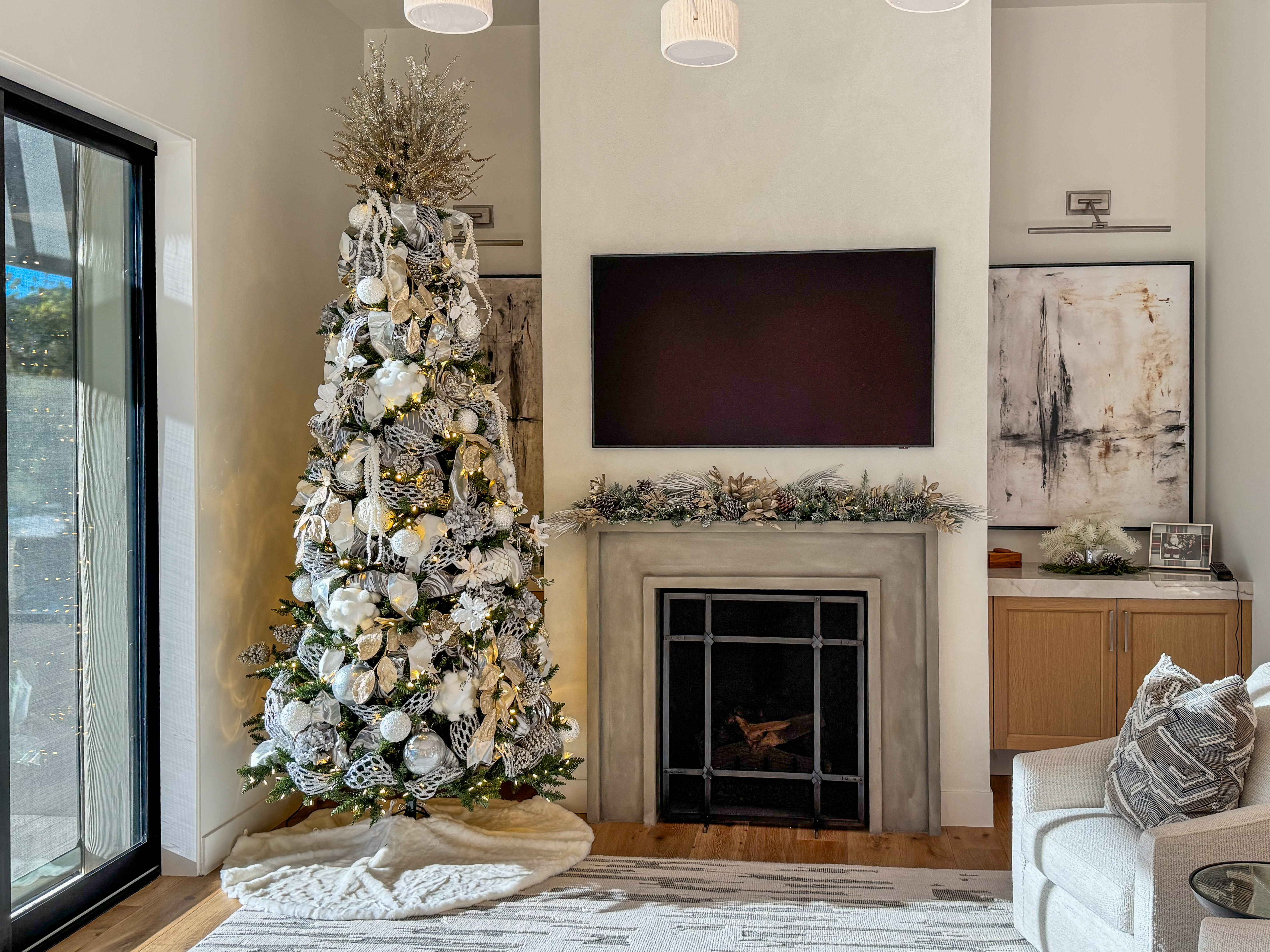
For many decorators, the answer lies somewhere in between the two extremes, and the trick is finding a clever "Miximalist" middle ground—the art of applying the restraint of minimalism and the exuberance of maximalism simultaneously. This approach offers the best of both worlds: the peace of a curated space combined with the warmth of personal, abundant detailing, and it is where we find most of our holiday designs land.
The key to successful Miximalism is isolation and balance. You achieve this through two main strategies:
Minimalist Structure with Maximalist Accents
Maintain a minimalist color palette (all white, cream, or a deep monochromatic gray/blue) and apply a maximalist layering technique.
Imagine a tree decorated exclusively in warm white lights and matte silver ornaments (Minimalist color restraint), but the tree is packed with different textures—beaded garlands, velvet ribbons, and dozens of paper and wooden ornaments—covering every single branch (Maximalist abundance). The result is rich and full, but visually serene. And, on the opposite end of the spectrum when working within a subdued color palette, don’t be afraid to incorporate elements that aren’t traditionally “holiday decor” in nature like neutral English Roses to complement to evergreens, rosy and silver tree ornaments.
Isolation by Zone
Use your home's layout to satisfy both urges by dedicating different styles to different areas.
Public/High-Stress Zones (Minimalist): Keep main areas like the living room or kitchen serene. Use simple, high-quality, unadorned greenery and soft, ambient lighting. This maintains a sense of calm where you spend the most time.
Small/High-Energy Zones (Maximalist): Unleash your inner maximalist in smaller, less-frequented areas that are meant to be fun. The powder room, foyer table, or guest bedroom are perfect for themed, colorful, over-the-top displays (think a vibrant fuchsia and emerald scheme, or a collection of nostalgic, clashing vintage ornaments).
You really can have the best of both worlds with the Miximalist approach, striking a balance that allows your home to be both a sanctuary of rest and a canvas for celebration, ensuring your holiday decor feels cohesive, intentional, and perfectly tailored to your personal joy.
How to Develop Your Personal Holiday Style
Ultimately, the best holiday trend is the one that aligns with your home's personality and your emotional goal for the season.
Consider Your Foundation: If your year-round decor features sleek, unadorned furniture and clean lines, a switch to full-blown Maximalism may feel jarring. Similarly, if your home is already eclectic and full of bold art, sudden, stark Minimalism might feel cold.
Assess Your Emotional Goal: Ask yourself: Do I crave rest this holiday season after a busy year? Then minimalism’s calm, intentionality, and focus on warm light will serve you best. Or do I crave energy and the warmth of cherished memories? Then embrace maximalism, letting every piece you display tell a story.
The Hybrid Approach (The "Miximalist"): You don't have to fully commit to one camp. Many homeowners find success in a hybrid approach:
Minimalist Structure, Maximalist Accent: Maintain a neutral, minimalist color base (white lights, simple greenery) but use one area—like a powder room or a mantel—for a high-impact, over-the-top maximalist display.
Maximalist Texture, Minimalist Color: Use an abundance of layering (maximalist technique) but stick to a single, edited color palette (minimalist technique)—for example, an overflowing display of deep green velvet, brass, and white florals.
Above all else? Focus on the celebration and joy the holidays bring.
Whether you opt for the refined simplicity of a carefully draped garland or the exuberant chaos of a multi-colored collection, your holiday decor sets the stage, you set the tone. The aesthetic direction you choose should ultimately create a space that feels authentic, comfortable, and celebratory for you and your loved ones.